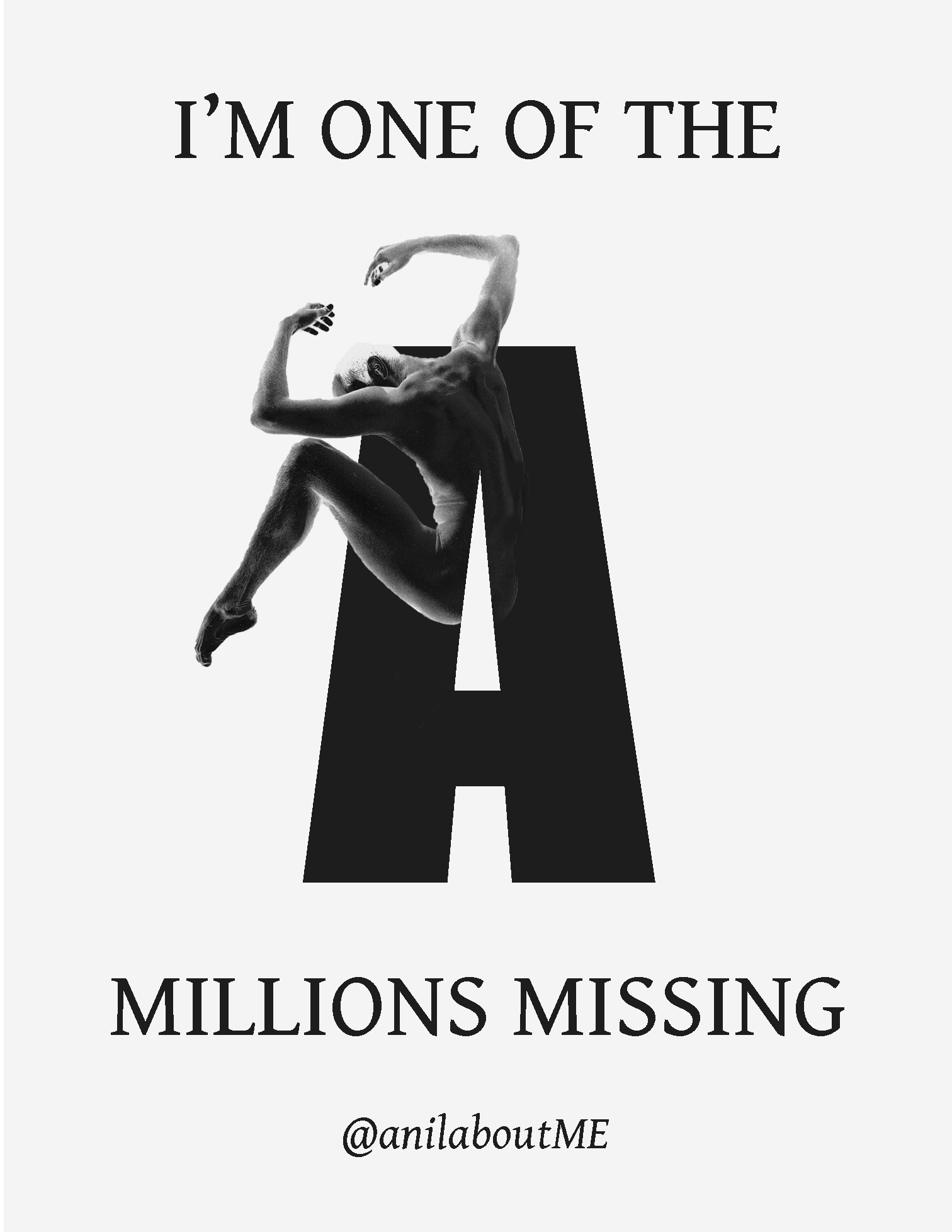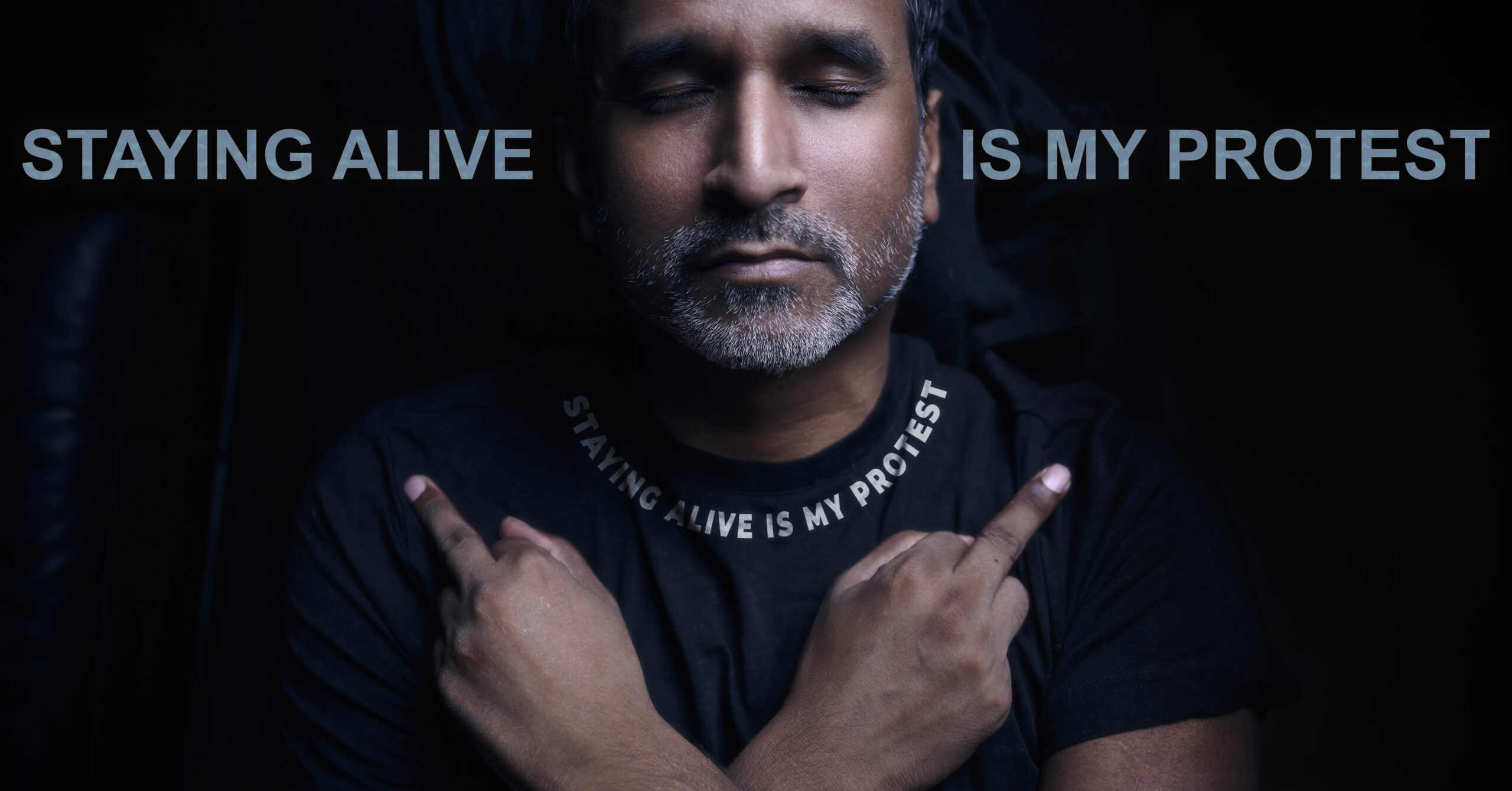
With the sadly increasing number of people with ME passing away, not uncommonly dying due to suicide or euthanasia, sometimes weekly, I often get asked why I keep holding on with severe ME, or if I ever get depressed or have ever considered euthanasia. The answers to this are complex, and it’s of course a sensitive subject, but for the moment euthanasia is not something I am considering, and I will try to explain why.
Strength or fear?
Just to be clear, this is not going to be some toxic piece about how positive and strong I am, or that staying alive is about the strength of me as a person. I personally think that it takes as much strength to live and keep living with ME, or any other life-altering disease or disability, as it is to say enough is enough. No more. This is the end of the road for me.
Plus, this is my personal account of what I feel at the moment. Others may have a completely different experience and feeling about the s(h)ituation with ME.
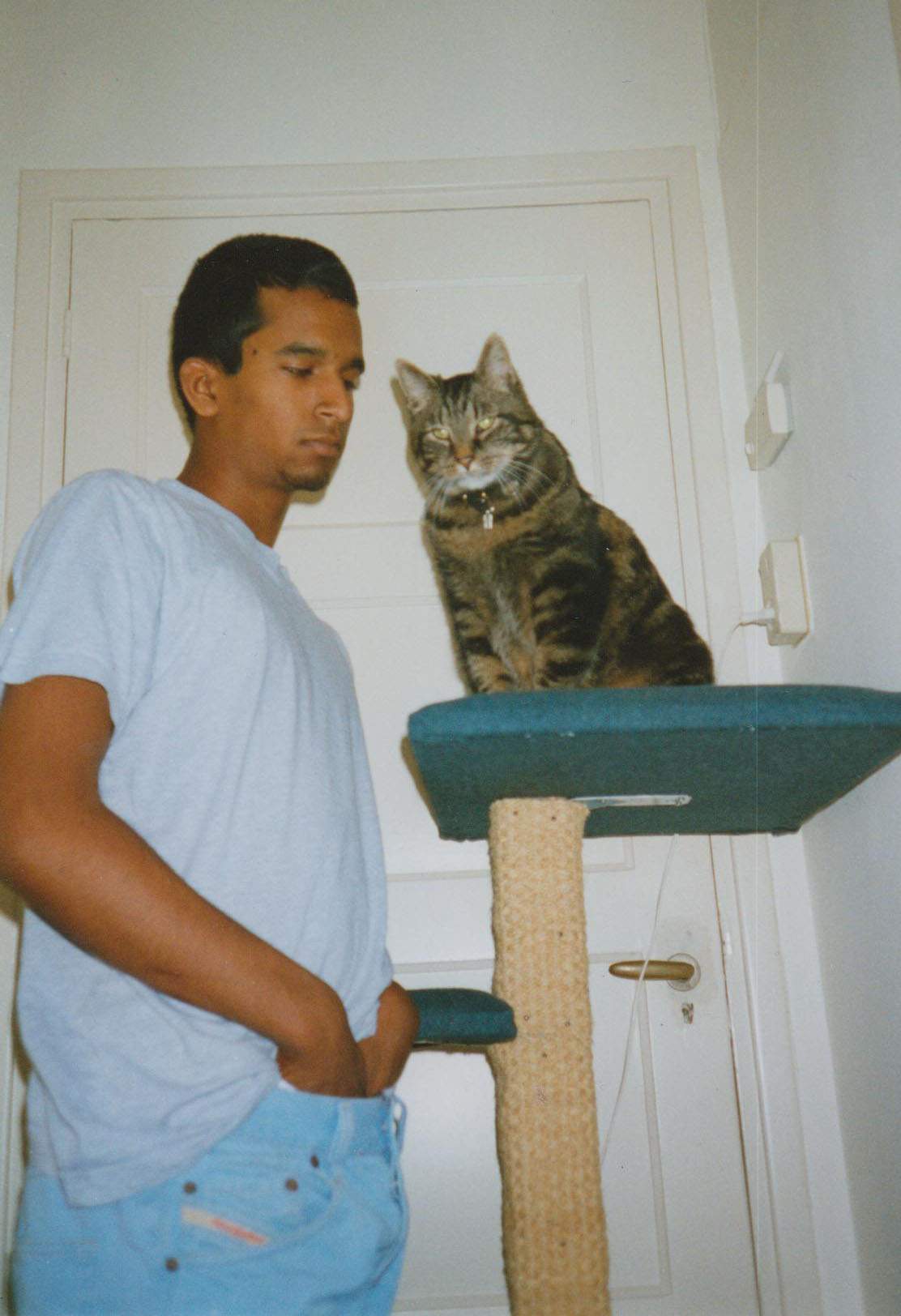 When I was in my adolescence and during my coming out I was very depressed and suicidal ideation was always with me. I felt no sense in living.
With years of therapy, building my self confidence, talking about my family life and adoption, which for many kids is not easy and it’s often taboo to talk about because as a kid you’re supposed to always be grateful, with time, and my adolescence hormones calming down, I eventually grew out of that depression, which luckily never came back.
The real reason why I didn’t end it was because I was, thankfully, just too scared of killing myself. So it wasn’t really about strength, but more about fear that I’m still here.
Strength
Years later, in 2010, I lost my boyfriend with whom I was together for seven years to body dysmorphic disorder, depression and subsequently suicide. While of course many people were very supportive, quite a few were quick to judge that they felt he was weak to commit suicide because they had X setback and overcame it by doing Y. It was just a matter of strength and perseverance. Something he apparently lacked. Besides it being painful I felt it was mostly ignorant, short sighted and ableist. What he did also took a lot of courage.
 Losing him due to suicide was hard. The way he died was inhumane and traumatic and the aftermath for us as loved ones was intense. It should have never happened. I’m therefore glad to see that euthanasia is starting to become more recognized in The Netherlands. Also for people with mental health diseases and, not unimportantly, for people with ME and other infection associated chronic illnesses (IACI) like Long Covid, chronic Lyme, QFS, post sepsis syndrome etc. That people at least have the option for a humane death. Sometimes just having that option already brings relief and strength to keep going.
The real issue is that you see people with severe ME/IACI wasting away in darkened rooms with little to no quality of life for years or decades. Completely hidden away, forgotten or ignored by society and the healthcare system. Incredibly ill. Entire generations of patients have literally disappeared from view because care systems have structurally abandoned them. It’s not uncommon for people with ME/IACI to receive almost no basic care and yet their request for euthanasia is being approved. Like WTF!
Or that they’re so ill that euthanasia would be the most humane thing to do, but it’s being denied because health care professionals lack the knowledge of ME, do not take it seriously, suggest ineffective and harmful behavioral treatments and so on.
Fooling myself.
Of course I think about what my life has become. Why on earth I keep going. If I get really negative and think about my life in general it’s been messy and hard. Why should I keep pushing? What’s the point? Why torture myself and of course my loved ones who have to take care of me?
Honestly I don’t really know. There’s a drive in me to still do things. To see things. I would love to create art. Dance, choreographies, films, photography, travel the world, eat whatever food, move my body without consequences. Falling in love. Have passionate sex with someone you love.
Some people describe me as being positive for handling severe ME the way I do, but I’m not really that positive and honestly I feel quite uncomfortable when people say that I am. It gives the impression that it’s some sort of mindset or achievement of which I’m in control of. Which I’m not. It’s mostly pure luck which could change tomorrow. It also gives a feeling of guilt to those who are, for whatever reason, in another state as if they’re to blame for how they’re feeling.
It also gives the impression that I’m doing ok mentally, but not having a depression anymore doesn’t mean life isn’t mentally hard. I’m not (imaginary) jumping for joy in my house because of this s(h)ituation with ME.
Plus I consider myself more a realist with a hint of optimism and a good amount of pessimism, cynicism and sarcasm. That combination helps me not to get too hyped or low about things. I may also be good at fooling myself and blocking out things that could make me feel down and depressed. On top of that I have supportive friends and a very cool (un)supportive cat. These are more a fortunate combination of circumstances I’m in at this present moment that keeps things mentally rather stable, but that’s not the same as being positive.
Many people with ME/IACI don’t have the circumstances I happen to have right now. No friends who can help, no safe environment, no stability. That makes their situation unnecessarily much heavier. And that extra suffering they express doesn’t mean they’re negative; it means the system is failing them.
Justice will prevail
But there’s another important driver and that’s the fight against injustice of the ME community and myself as well.
For those who don’t know. ME has unnecessarily been controversialized, psychologized, neglected. There was at first a focus on biology, but throughout the years it was turned into a psychological, behavioral problem where you could think, feel, move and exercise yourself out of it. It was initially maybe triggered by an infection, but afterwards it was all perpetuated by things like deconditioning, kinesiophobia (a fear of movement) and for example unhelpful thoughts about your illness being biological, and cognitive behavioral therapy (with a graded activity component) and graded exercise therapy were deemed effective or even curative treatments.
These have been the main treatments for people with ME (the studies were actually based on the chronic fatigue syndrome/CFS criteria) even though the hallmark symptom of ME is post-exertional malaise (PEM). PEM is a disproportionate worsening of symptoms after even minimal physical or mental effort. It’s often delayed by 12 to 72 hours. It causes loss of function and prolonged recovery. It can last for days, weeks, months or cause a permanent worsening of the disease itself.
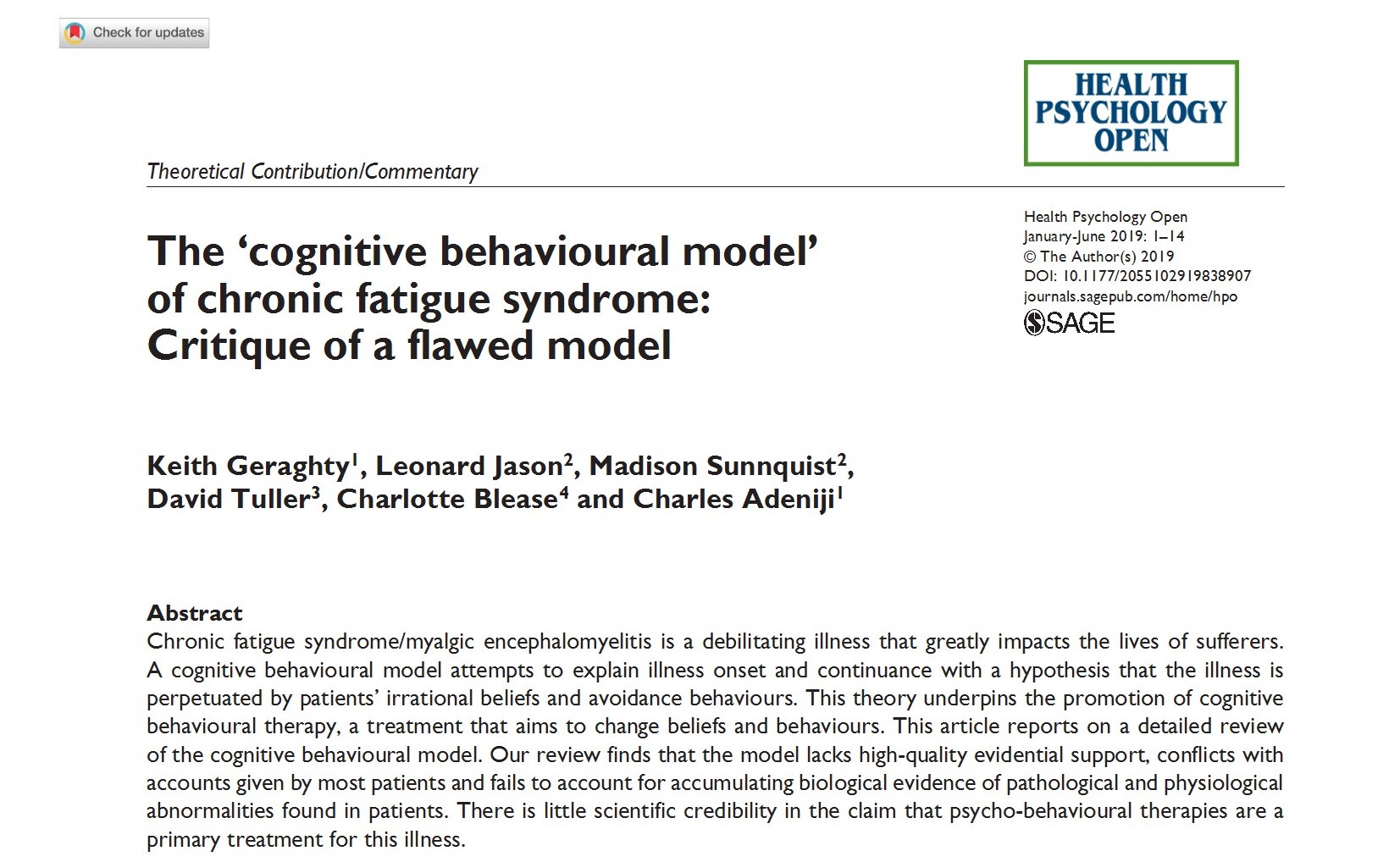
It’s therefore not surprising that patients have been on high alert about these treatments because they were making them worse. Even to the point of becoming permanently bedbound.
On top of that the science was of such low quality, yet the studies were published in top tier journals. The trials claimed success on all sorts of outcomes, but in reality they mostly relied on subjective measures, not supported by the negative objective outcomes, in unblinded designs, including patients selected with chronic fatigue syndrome criteria where PEM was optional or absent. Which means these studies weren’t based on people with ME.
It has taken decades of painstaking work by the patient community at the cost of their own health to get this noticed by the scientific and medical world. Along the way more scientists have joined in expressing their concerns and bit by bit things have been changing. One of the biggest milestones was the prestigious NICE guidelines that deemed the outcomes of the CBT/GET studies primarily very low quality. The rest was of low quality. Obviously not something to write home about…
Like someone fucked you over.
For me personally as a former professional athlete and ballet dancer I never understood this whole idea about kinesiophobia and deconditioning. That was definitely not applicable to me. Many people with ME led a very active or sportive life. So yeah, what had these scientists been smoking?
The more I learned about it, the more it felt that this paradigm wasn’t driven by the need to actually improve the lives of patients. Or maybe it started that way for some of these scientists, but eventually status, ego, arrogance and greed seemed to have taken over.
Obviously these are assumptions by me, but if the patient community at large was and is so adamant about it causing harm. You’re fighting it tooth and nail even though people, including young children, are suffering and even dying because of what you’ve been propagating, and science is increasingly confirming what they’re saying was and is correct, then what are your real motivations? In whose interest is this? Certainly not the patients.
It felt to me like I landed in some bad hidden camera show where someone would tell me it was all a very bad joke. It felt like someone had fucked me over.
Unprofessional
These scientists and health care professionals have caused so much harm to millions of people worldwide. Including myself. They are taking zero responsibility for it. I mean everyone makes mistakes, but at least apologize and admit that you were wrong. Instead we get denial, doubling down on the flawed science, pointing fingers at others, (behind the scenes) smear campaigns of patients, and DARVO manipulation. In my opinion, that’s incredibly unprofessional.
For me this has been an important driver to keep going. I’m simply not willing to give up my life for a bunch of arrogant and unprofessional…(put any fitting word here). I refuse to do that.
 As I’ve written in a previous blog I take great inspiration from ACT UP, their visually loud and unapologetic protests. From the work by Larry Kramer, him being considered a fearless public nuisance. As a dancer I’ve always been very outspoken, doing work that tries to push boundaries. In speaking about ME, the science and other developments I try to approach it in a similar way.
I’m sure some of these BPS researchers find me a public nuisance as well, but what do you expect? If you corner a cat because of your own actions and behaviour, you can expect a reaction.
Sometimes you hear these researchers claim that these are personal attacks, but I don’t know any of them personally. I’m sure some of them are quite nice people privately, but that’s not relevant. I merely criticize their work that causes harm, the professional who propagates it and who takes zero responsibility for their mistakes. That’s something completely different.
Unfortunately their work, despite whatever their intentions may be, has caused and/or is still causing harm, and until things haven’t completely been solved I will keep going.
 Luckily, science has not stood still and we see an increase in biomedical research. Also here in the Netherlands.1, 2, 3 Plus some studies are helping to debunk claims about for example deconditioning as a perpetuating factor of ME. It gives me hope for a better future. Not a treatment tomorrow, but recognition, dignity, vindication, and the ability to simply be ill and be allowed to be ill. Without an additional fight for basic care and rights.
Unfortunately, the government in the Netherlands is yet again closing the door on funding, barely allocating anything for biomedical research for Long-Covid in the coming years, so it remains a struggle for people to stay hopeful. Just like in the HIV/AIDS crisis days. Like ACT-UP stated. The government therefore has, yet again, blood on their hands.
When will it end?
Would I consider euthanasia? Well for the moment not. Not for ME. I have been a lot worse than I am now. My current state, besides having severe ME, feels like a “big” step up from what it was before. In reality, it’s not big at all, and also not especially physically, but I can watch some videos, listen to music, photograph and film. All in moderation and in a small fraction of what I really would like to do as they are still great PEM triggers, but in comparison to the six years I couldn’t at all, it makes my life a little bit more bearable.
Where I would consider euthanasia is when I would get another illness where I wouldn’t be able to tolerate the treatments and without it I wouldn’t survive, or that I would have a terminal illness where I know I’ll die soon and the suffering will be immense. In both cases I don’t know if I would have the drive to fight again. I’ve done so for two decades with ME. That extra layer of suffering would be too much I think.
Another reason could be that I would become a lot more ill with ME again and I would not be able to survive without intense care of friends who would be completely overloaded. Not that it’s easy today, but we somewhat manage. That being said, I’ve experienced that things can get a bit better again with ME as well. So that may be enough for me to hold on to.
I obviously can’t predict the future. People can bend, but anyone can break. Maybe tomorrow I really had enough with this sorry excuse of a life with severe ME. About the lack of care, initiative and funding from the government. The abuse and neglect. There not being enough of a perspective. Maybe I’ll stop being able to fool myself into thinking that things will get better.
But so far I still feel that life, even if it’s incredibly shitty, has some meaning. Plus I still want to try to have a life before I die, because right now, I’m not really living.
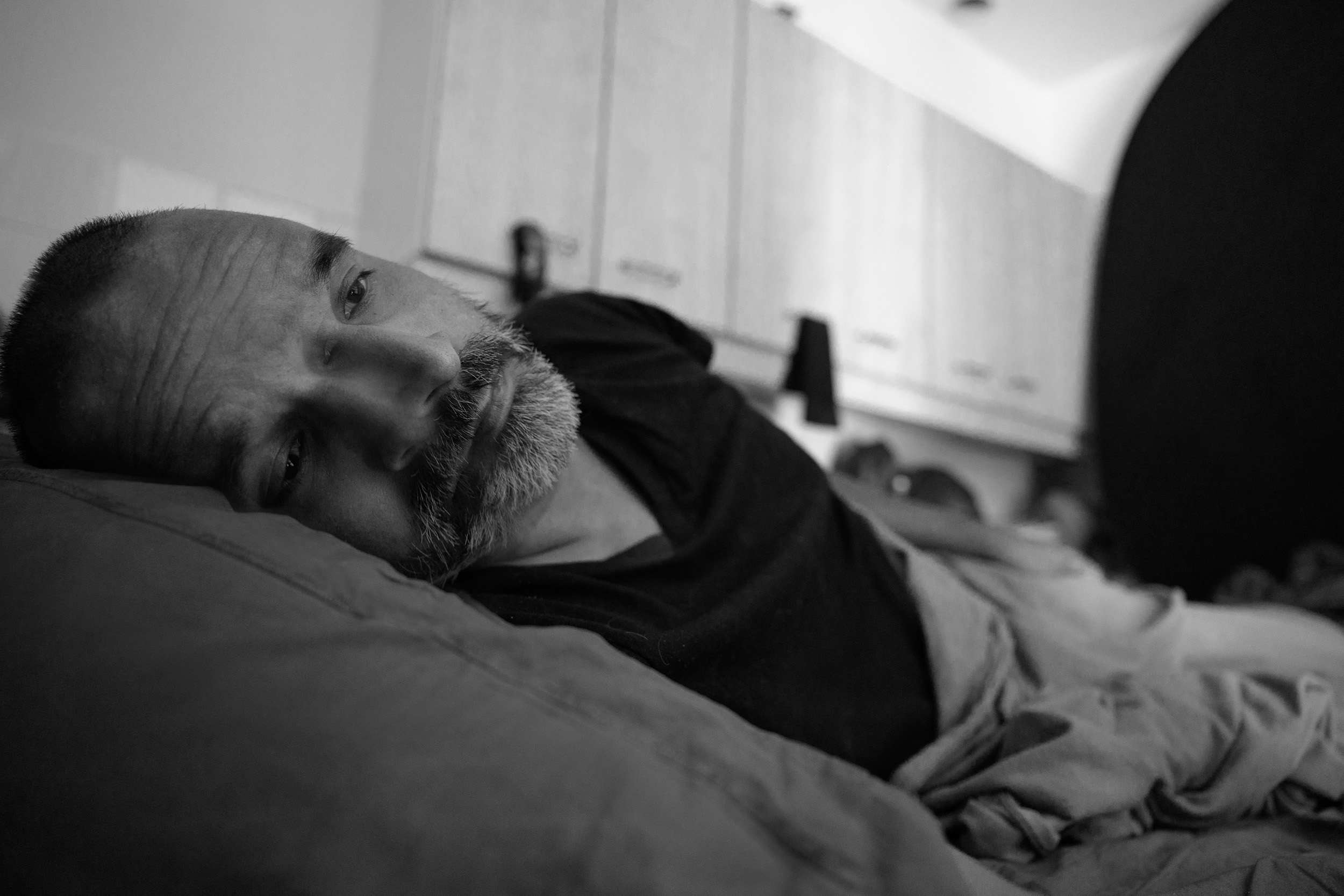
Last breath.
The fact that young people are even having to consider euthanasia due to the abysmal situation created by the scientific failures, the political neglect, the medical gaslighting, the absence of care, the lack of safety is unacceptable to me. It’s also often the case that outsiders only express their outrage about someone with ME “choosing” to die instead of the life or the lack thereof they were forced to live. Outrage over the latter could help prevent someone even considering dying in the first place.
It’s also important to note that suicidal ideation isn’t linked to depression per se. We also see it in non depressed patients who feel stuck in this situation that was created by the system itself: the years of preventable suffering that go far beyond the disease alone.
That suffering is unnecessary. It can be avoided if those who should, would actually give a damn. The fact that people die due to suicide or euthanasia is therefore one of the greatest forms of injustice. The fight against the injustice done to the patient community is a big driver.
I just can’t and won’t shut up about it!!!
And if I were to die tomorrow, I want to make sure that I’ve contributed in some way to changing the narrative about ME and IACI in general. So that the next generations will never ever have to deal with the abuse and neglect we have suffered from.
I hope that when the day comes, they lay me down in my coffin with my middle fingers raised. A final reminder that even “just” patients can fight back. Giving zero fucks because there’s no time to waste. And that’s exactly what I’m trying to do now.
Until and long after my last breath.
I hope you’ll join me.
PS: If anyone reading this is suffering, you don’t have to do it alone. Talk to someone you trust, or join a ME/IACI-support group on Facebook or elsewhere. The ME/IACI community is large, global, and full of people who understand exactly what you’re going through. You’re not alone.